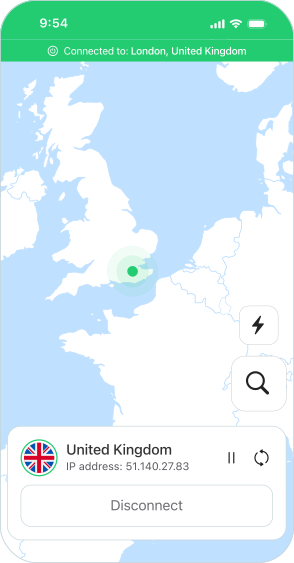
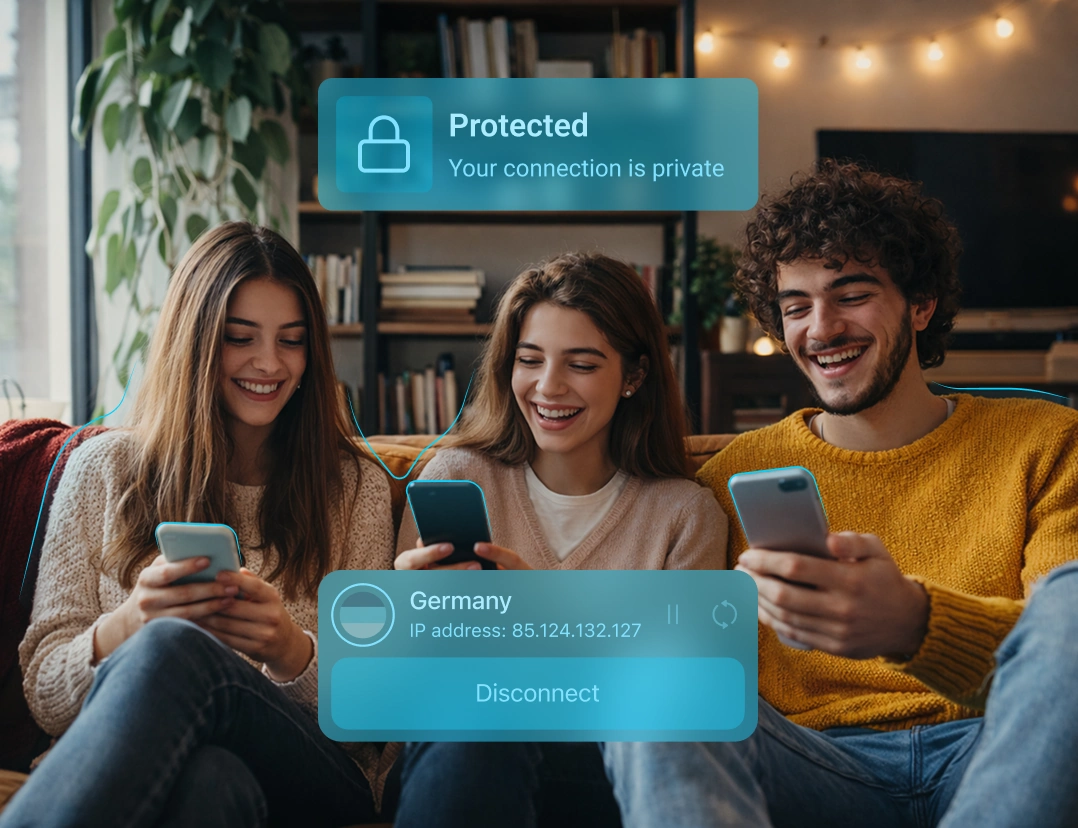
A VPN, or virtual private network, creates an encrypted connection between your device and the internet. It helps hide your IP address, protect your traffic on shared networks, and make everyday browsing more private.
A VPN hides your real IP address from websites, apps, and online services. It also helps reduce visibility of your traffic on public Wi-Fi, shared networks, hotels, airports, cafés, and other exposed connections.
Your data travels through an encrypted tunnel between your device and the VPN server. This helps protect sensitive activity such as passwords, messages, payments, browsing, shopping, banking, and personal information on shared networks.
No. ApexGuard is built around strict no-logs architecture and is designed not to store browsing history, visited websites, or routine VPN activity logs. What you do online while connected is never recorded or linked back to your account.
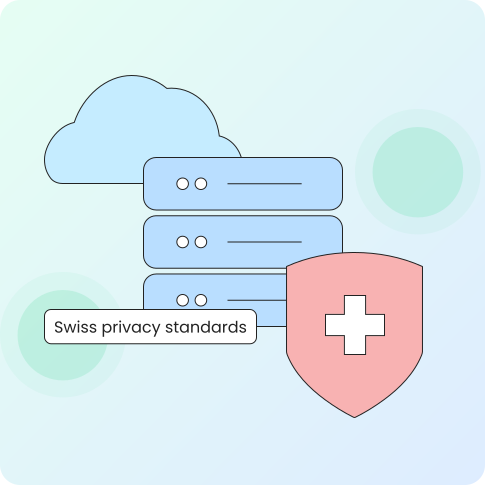
A VPN provider’s country matters because privacy is both technical and legal. ApexGuard is built around Swiss privacy standards, giving users greater clarity on how data is handled, requests are reviewed, and privacy commitments are protected.
A proxy usually routes traffic from one app or browser through another server. A VPN protects more of your device’s internet connection by creating an encrypted tunnel between your device and the VPN server.
For stronger everyday privacy, keeping your VPN on is usually the safest option, especially on public Wi-Fi, shared networks, and while traveling. You can disconnect when you need a local connection or a service does not work properly through a VPN.
VPNs are legal in most countries and are widely used for privacy, security, travel, remote work, and safer browsing. You should always use a VPN responsibly and follow the laws that apply where you are.
No VPN can make you completely anonymous online. A VPN helps hide your IP address and encrypt your connection, but websites may still recognize you through logins, cookies, browser fingerprinting, or account activity.
Your internet provider can usually see that you are connected to a VPN server, but the encrypted tunnel helps prevent them from seeing the specific websites and app traffic protected inside the connection.
A VPN helps protect your connection on public and shared networks, but it does not replace device security, software updates, strong passwords, or two-factor authentication. ApexGuard adds ThreatShield Protection to help block risky sites, phishing pages, trackers, and suspicious links.
A paid VPN usually offers stronger privacy, faster performance, better infrastructure, more reliable access, clearer policies, and fewer limitations. ApexGuard adds Swiss privacy standards, Apex-owned infrastructure, unlimited usage, ThreatShield Protection, and Dark Web Monitor.
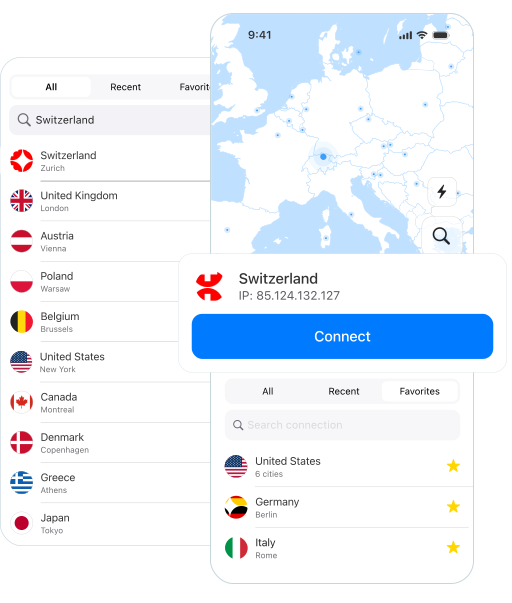
For the fastest connection, choose a nearby VPN location. For travel, privacy, or account access, choose the location that best matches the service or region you want to connect through.
A VPN can add some overhead because your traffic is encrypted and routed through a VPN server. ApexGuard uses high-capacity infrastructure to support smooth browsing, streaming, downloads, banking, shopping, and work.